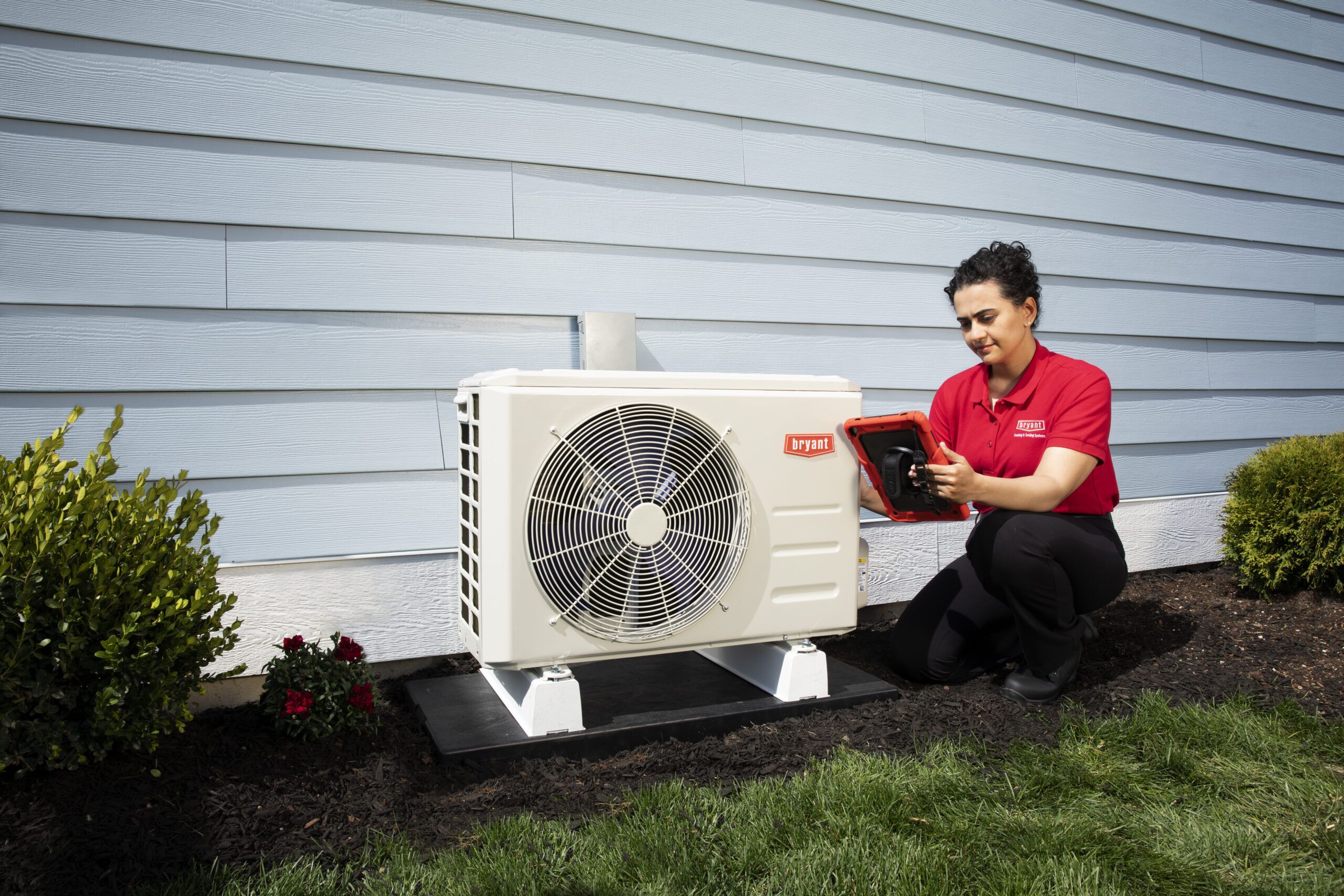
Season-Smart HVAC Decisions for Owners Who Want Fewer Surprises
Homeowners eyeing a smoother HVAC path should first assess the space and its rhythms. Square footage only tells part of the story; window exposure, insulation levels, and occupancy patterns matter more than most realize. A simple heat gain and loss conversation sets expectations before equipment is even discussed. That clarity helps narrow choices, keeps estimates apples-to-apples, and minimizes the risk of installing systems that struggle on the hottest or coldest days.
Next, scope your comfort goals against utility realities. Some people want tight temperature bands and quiet operation; others prioritize upfront savings and basic performance. It helps to rank comfort zones, like bedrooms and living areas, then align equipment features accordingly. Variable-speed blowers, zoning, and smart thermostats can be layered in phases. Staging upgrades this way spreads investment and lets you verify improvements season by season without overcommitting on day one.
Meanwhile, think through airflow pathways before brand or tonnage. Duct condition, sizing, and layout dictate whether even the best system will deliver. Inspect for kinks, crushed boots, leaky seams, and poorly placed returns. When ducts are inaccessible or retrofits would be disruptive, ductless mini splits provide targeted comfort with fewer construction headaches. Choosing the right pathway first prevents rework and allows equipment to hit its rated efficiency in real-world use.
Beyond that, plan the installation workflow to reduce household downtime. Crews work efficiently when storage areas are cleared, attic access is safe, and electrical panels are labeled. Sequence tasks so demolition, set, and start-up happen cleanly, and buffer an extra day for unforeseen issues like hidden duct leaks. Good planning shortens punch lists and limits callbacks. It also ensures refrigerant lines, drains, and wiring are tidy, accessible, and documented for future service.
In practice, Indoor Air Quality should be addressed together with heating and cooling choices. Filtration, humidity control, and ventilation work as a system, not as afterthoughts. Ask about filter size and static pressure, not just MERV. Verify there’s a plan for condensate routing and pan sensors. If you or a family member is sensitive to dust, consider sealing return cavities and upgrading to a properly sized media filter that won’t choke airflow.
Often, owners overlook the electrical and structural details that make or break longevity. Verify breaker capacity, wire gauge, and disconnect placement before the crew arrives. Validate pad stability outdoors and consider hail guards or shade structures that don’t block airflow. Indoors, confirm clearances around air handlers for maintenance access. These small checks forestall nuisance trips, vibration, and early wear, protecting your investment over the entire lifecycle.
Then, weigh serviceability as highly as efficiency. A tightly packed mechanical closet can turn a simple Air Conditioning Installation and repair into a half-day project. Leave room to remove panels, swap coils, and access drains. Ask for labels on circuits, condensate lines, and communication wires. Document model and serial data, filter sizes, and warranty terms in a folder or digital note so future technicians can diagnose faster and keep labor hours in check.
However, don’t let emergency needs derail long-term fit. If your heater fails mid-winter, temporary fixes may be wise, but keep the bigger plan intact. Heating Installation and repair should still align with duct capacity, venting codes, and combustion air requirements. A quick safety inspection and draft test protect the household while you finalize a right-sized replacement that meets current standards and simplifies maintenance down the road.
Finally, map a maintenance rhythm you’ll actually follow. Replace filters on a realistic cadence, rinse outdoor coils before peak seasons, and schedule a spring and fall check if possible. Ask for a checklist that includes refrigerant readings, delta-T, drain clear, and control calibration. Small corrections—tightening lugs, leveling condensers, and verifying thermostat offsets—keep performance steady and prevent slow drifts that spike bills or shorten equipment life.
Altogether, a steady plan reduces surprises and sets expectations from day one. Start with load and airflow, refine the duct strategy, and phase comfort features to suit your budget. Validate the electrical, drainage, and access details so service remains straightforward. With HVAC systems, the quiet wins come from methodical decisions made up front, and the payoff shows up every day in comfort, reliability, and manageable operating costs.